
What Does Grease Trap Pumping Cost?
There is no separate published band for grease traps in our pricing sheet, since tank size and grease load vary kitchen to kitchen. What we can tell you: septic-style pumping visits run in the 150 to 300 dollar range for a standard day call, and weekend service carries a premium in the 50 to 150 dollar range on top of that. A restaurant on Main Street pays differently than a bakery near I-80, because interceptor size and buildup speed change the math. If you also run a jobsite trailer or a construction crew, check septic tank pumping cost for the residential comparison, or start with septic pumping service for a broader look at what a visit includes. Commercial accounts get scheduled routes; one-off or overdue traps get priced on the visit.
| service | duration | low | typical | high |
|---|---|---|---|---|
| septic | day | 150 | 250 | 300 |
| septic | weekend | 50 | 100 | 150 |
Weekend numbers above are the add-on premium, not a full-service quote.
How Often Should a Grease Trap Be Pumped?
Pump before the 25 percent fats-oils-grease threshold, not after. That number comes straight from how interceptors are designed to work: past that point, grease starts pushing into the drain line instead of staying trapped. A high-volume kitchen near downtown Vacaville might need biweekly service. A slower operation out toward Elmira, 3.9 miles east, might stretch to monthly. Compare that to a household septic tank, which is typically pumped every 3 to 5 years based on tank size and household size, a very different rhythm than a working kitchen trap. If your grease trap is tied into a larger septic system, our how often to pump a septic tank page covers the residential side, and septic tank warning signs walks through what backup looks like before it becomes a shutdown.
Can You Handle Emergency Grease Trap Pumping?
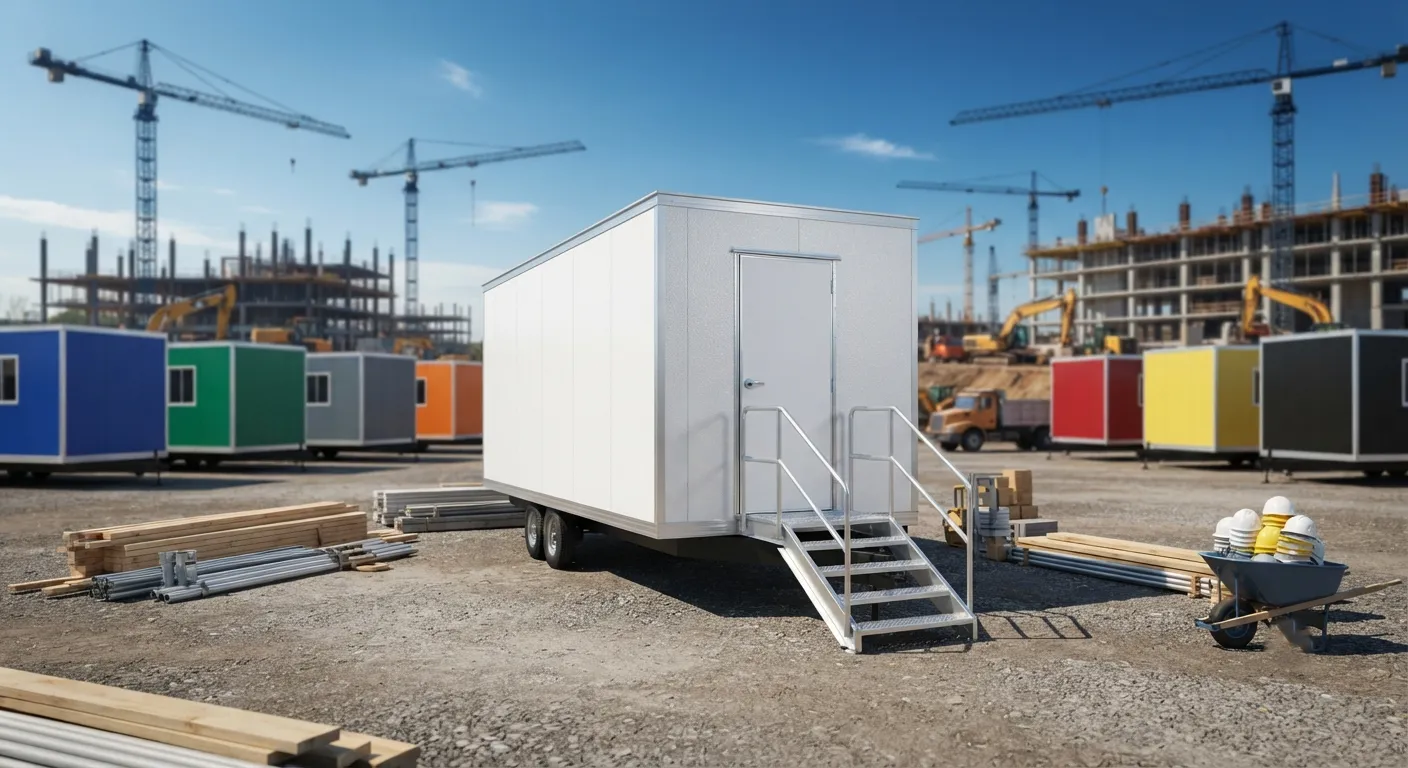
Yes. A backed-up trap does not wait for a slow week, and neither do we. Emergency calls get priority routing, similar to how we handle emergency septic service and emergency porta potty rental for jobsites that lose their only restroom. If a kitchen in Vacaville calls with grease coming up through a floor drain, that is a same-priority dispatch, not a next-week appointment. We also handle grease trap pumping for temporary kitchens on film sets and event grounds, which pairs with event restroom rental or festival restroom rental when a location needs full sanitation coverage, not just one service.
Crews running renovation work that includes a kitchen tear-out often bundle grease trap pumping with construction site services, a roll-off dumpster rental for debris, and a portable toilet rental for the crew. OSHA 1926.51(c) sets toilet ratios for that same crew, one fixture for 20 workers or fewer, which matters if the kitchen job runs long. And 29 CFR 1910.141(d)(2) requires soap and towels at any washing station serving that crew, not hand sanitizer alone, worth checking against our handwashing station rental options.
How do I know if my grease trap needs pumping now?
Slow drains, a sour smell near the kitchen floor drain, or grease visibly rising to the trap lid are the signs. Do not wait for a full backup. Compare against septic tank warning signs for the parallel signals on a home system.
Do you serve restaurants outside Vacaville proper?
Yes, including Dixon, 10.7 miles northeast, and Suisun City, 11.7 miles south. Check service areas for full coverage, or porta potty rental in Dixon, CA if you need restrooms alongside the pump-out.
Is grease trap pumping different from septic pumping?
Yes, different equipment and different waste stream, though the trucks and licensing overlap. Our septic tank cleaning page covers the tank side; grease interceptors need dedicated grease-rated disposal.
Can I schedule recurring commercial grease trap pumping?
Yes. Most restaurant accounts run on a fixed route, weekly to monthly depending on volume, similar to the weekly baseline described in ANSI/PSAI Z4.3 for portable sanitation servicing.
What size grease trap do I have?
It depends on kitchen output and local code requirements, which we confirm on site before quoting a route. Bring us your permit paperwork and we will match the schedule to it.

Next step
Get a delivery date
Tell us the address, the dates and the headcount. We size the order and confirm the route.